
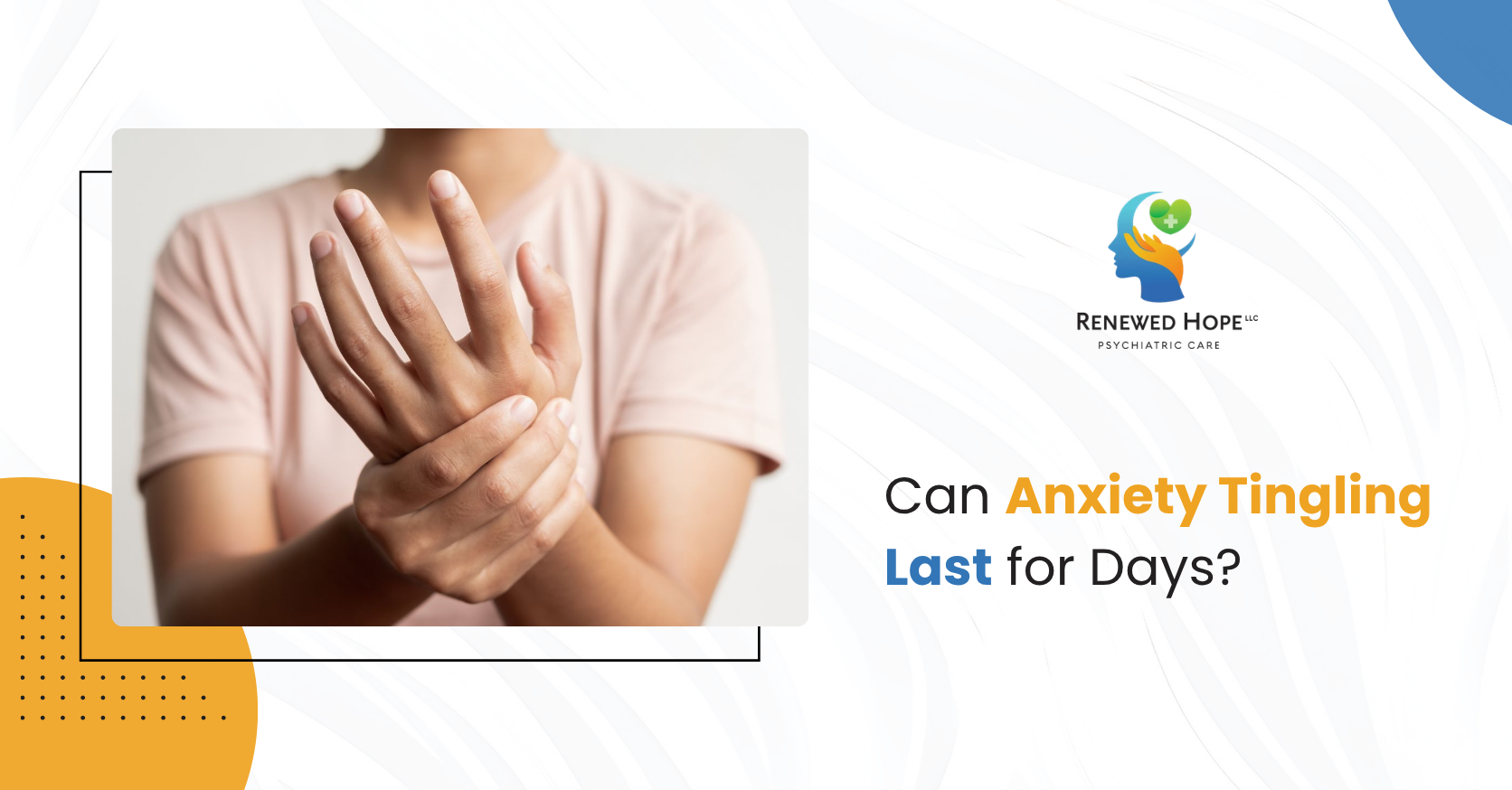
Have you ever felt tiny bugs crawling on your skin when there are no bugs at all? It is a very weird feeling. Your fingers might feel fuzzy. Your toes might fall completely asleep. This prickling feeling can even show up on your face or your lips. People call this anxiety tingling. It happens when you are super worried or stressed out. It is a very normal body reaction. But when it sticks around, you might start to ask a scary question. Can anxiety tingling last for days? Yes. It really can. The fuzziness can stick with you for days at a time. That can make you feel even more scared. You might think you are really sick. But you are safe. Your body is just stuck in high gear. Let us look at why this fuzzy feeling stays so long and how you can finally make it stop.
How Your Internal Alarm Makes You Tingle
Listen. Your body has a built-in safety alarm. Long ago, this alarm kept humans safe from wild animals (like hungry bears and fast wolves). We call this the fight or flight system. When you worry a lot, your brain thinks a big bear is right outside your door. It turns that alarm on. It turns it up loud. Your heart starts to beat very fast. It pumps your blood straight to your big leg muscles so you can run away. Because your legs get all the blood, your fingers and your toes get left out. They get cold. They get numb. Then they start to tingle. It is just your body working hard – maybe a little too hard – to keep you safe from harm.
Why Fast Breathing Changes Your Nerves
Breathing plays a big part in this too. When you are scared, you change how you breathe. You take short, fast breaths. You might not even know you are doing it at all. But this fast breathing changes the air inside your body. It changes how your blood works. This makes your nerves super jumpy. Nerves are like tiny telephone wires inside you. They send messages to your brain. When they get jumpy, they send the wrong messages. They tell your brain that something is touching you when nothing is there. That makes the tingling happen. If you stay worried for days, you keep breathing fast for days. So, your nerves stay jumpy for days too.
Tight Muscles Squeeze Your Nerves
Let us talk about your muscles. Worry makes your body very stiff. Your shoulders might creep up right next to your ears. You might bite down hard on your teeth without trying. This is called muscle tension. It means your body is bracing for a big fight. If you stay stressed, those muscles stay super tight for a whole week. Those tight muscles press down hard on your tiny nerves. Think about a green garden hose in your yard. If you step on the hose, the water stops. If a tight muscle steps on your nerve, the messages stop. This causes a fuzzy, numb feeling. The pins and needles will not stop until your muscles finally let go.
How to Know the Tingling Is Just Worry
How do you know if your tingling is just from worry? It can be tricky to tell. But there are a few simple clues you can look for right now:
- The fuzzy feeling happens on both sides. Your left hand and right hand will tingle at the same time.
- The tingling moves around a lot. It might be in your foot before lunch and in your face after dinner.
- The pins and needles get much worse when you feel sad, mad, or scared.
- The feeling goes away when you have fun. If you watch a great movie or play a fun game, you totally forget about it.
Easy Steps to Calm Your Body Down
If you see these clues, your body just needs to calm down. You can help turn off the loud stress alarm. When the alarm stops, the tingling will fade away. Try these easy steps at home today:
- Play the five senses game. Look around your room right now. Find five things you can see. Find four things you can touch. Listen for three soft sounds. Sniff the air for two smells. Find one thing you can taste. This gives your brain a new job to do.
- Blow big bubbles. Breathe in slowly through your nose. Pretend you are smelling a pretty flower. Then, blow the air out of your mouth very slowly. Pretend you are blowing a huge bubble. Do this five times to calm your jumpy nerves.
- Shake it out. Stand up on your feet. Shake your hands like they are wet. Shake your legs. Roll your head in a slow circle. This helps your stiff muscles get soft again.
Finding a Friendly Expert to Help You
Sometimes the alarm gets stuck. You might try everything, but you still feel worried and tingly. That is perfectly okay. You do not have to fix this all by yourself. Talking to one of our kind experts can help you feel so much better. We know exactly why bodies do these funny things. Our friendly team at Renewed Hope Psychiatric Care is ready to help you. We provide amazing care to adults who feel too stressed out. Getting help is very easy now. You do not even need to drive to an office. We offer simple telehealth visits. That means you can talk to a mental health expert on your computer screen. You can sit in your favorite comfy chair at home. We help people who live in Missouri and Iowa. It is a safe space where no one will judge you.
You can meet with our board-certified nurse practitioner, Catherine Mepukori. She knows all about stress and anxiety. She will listen to you talk about your tingling skin. She can make sure your body is safe and healthy. She can teach you brand new ways to calm your jumpy nerves. She also helps with medication management. Sometimes, your brain just needs a little medicine to help turn off that loud alarm. When your brain gets the right help, your body can finally relax.
FAQs
Q. Is Anxiety Tingling Dangerous?
No. It feels very scary, but it is safe. Your body is not broken. It is just reacting to stress. Your internal alarm is turned up too loud. Once your brain feels safe, the funny feeling goes away.
Q. Can Stress Make My Face Tingle?
Yes. Anxiety can make any part of your body feel fuzzy. It often happens in your face, your hands, and your feet. This happens because your blood moves away from your face to help your big leg muscles run away from danger.