
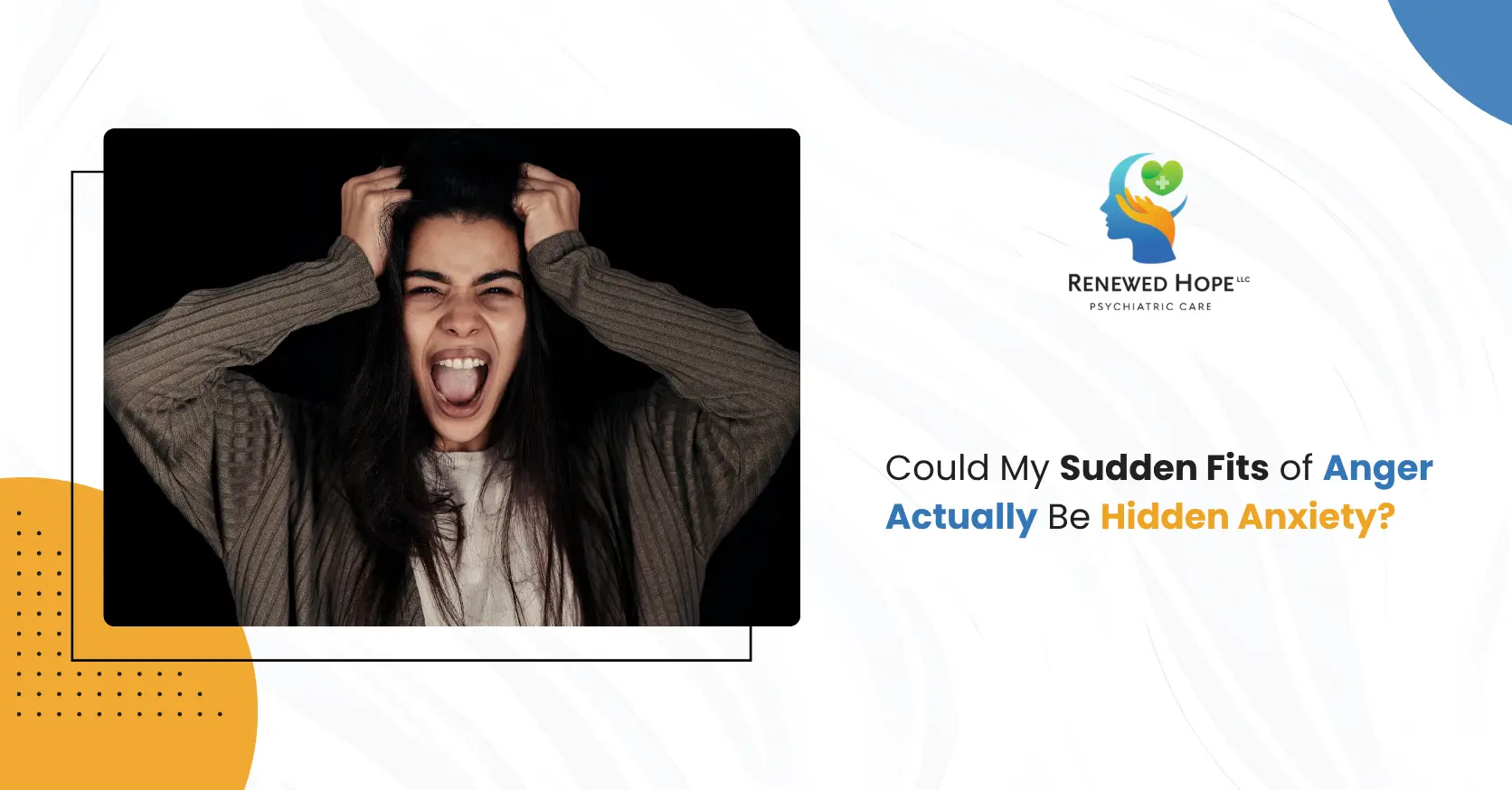
Have you ever snapped at a loved one over something minor and then wondered, “Why did I do that?” One minute you can feel fine, and the next minute you feel full of rage. It’s easy to get angry and think you’re just a short-tempered individual. However, there’s something more beneath the surface. Not everyone realizes it, but when they’re suddenly angry, it could just mean that they have some anxiety issues.
If the day’s stress leaves your mind overwhelmed, it’s easy for emotions to boil over into deep frustration. It drains you and your loved ones! Let’s delve into the reasons for this and what you can learn to see the hidden causes and finally have some peace.
The Hidden Link Between Anxiety and Anger
Anxiety and anger go hand in hand. The fear response is subtler, while the rage response is more open and aggressive. In reality, however, these two powerful emotions are closely linked within the brain.
It’s that feeling of being out of control or as if some form of stress is hanging over you. Stress builds up in you each day, and if it is not released, your emotional balance shifts. You can only put up with mental strain for so long before it has to be released. For many, that release can take the form of rage. The nervous system goes into overload, and the person starts to yell and get irritated.
Why Does Anxiety Turn into Anger?
We have an internal alarm system in the body to prevent injury. According to doctors, this is reflected as the fight-or-flight reaction. The body becomes activated by feelings of anxiety, believing you are under attack, and releases adrenaline as a bodily defense to “survive.”
At times, your body decides to avoid the threat, shut down, or worry silently. Your body’s reaction to the threat will sometimes be to resist it. Throughout the day, your day-to-day reaction comes from that fight response, and that is your anger. You are not angry with the person in front of you! This is your brain’s way of trying to keep you safe from the truly stressful emotions that you can’t control: anxiety.
5 Signs Your Anger Is Actually Masked Anxiety
Normal frustration and anxious anger can sometimes be very difficult to tell apart. Here are a few indications that the anger you are feeling may be a symptom of your anxiety.
- You latch onto minor errors. Slow computers or a spilled cup of water can trigger an explosive reaction that even catches you by surprise.
- Your anger comes out of the blue. You’re okay, and then you get slammed with a wave of irritation.
- You are extremely fatigued after getting angry. Once the anger fades, you might experience emotional exhaustion, physical fatigue, and guilt.
- You worry about things not going your way. When plans change at the last minute or when you feel totally unprepared for the day ahead, that’s when you get angry.
- You feel tense (stressed) all day. Before anger bubbles up, you realize that your chest is tight, your jaw is clenched, or your legs are restless.
Common Triggers That Cause Anxious Anger
Your anxiety can trigger anger in many everyday situations, and that anger can escalate. Identifying the specific triggers for your daily alarm system will assist you in managing your rages. Pay close attention to the most common causes of your rages.
- Being late and rushed for important work meetings and appointments.
- Having too many tasks or chores on your to-do list at one time.
- Dealing with loud sounds, lights, or very crowded rooms.
- Being completely rejected or misunderstood by close family members.
- Getting insufficient quality sleep over several nights in a row.
How to Stop the Cycle of Sudden Anger
You do not have to live with this exhausting cycle. It has to come to an end. Your brain can actually be taught to deal with stress in a much calmer manner. If you sense irritation building, try to avoid the situation right away. Take slow, deep breaths to communicate to your nervous system that you are safe.
Jot down your foremost concerns in a little notebook to clear your mind. Other methods of getting rid of excess stress hormones include physical activity, such as a walk in the morning. It is simply about working out the mind’s stress in a healthy, safe way before letting it go full throttle. An early-morning ritual of peace can also help establish a peaceful way to go about your day.
When to Seek Professional Support at Renewed Hope Psychiatric Care
Adult Psychiatric Care – Ages 18 and Older
Accepting New Patients | Same-Week Appointments May Be Available
In-person appointments in St. Charles and convenient telehealth appointments are available.
Sometimes all you can do is breathe or walk, and even then, it isn’t enough to settle your mind. When anger is harming close relationships or interfering with your enjoyment of life, it’s time to seek additional support. You deserve to be at peace, joyful, and in control of yourself.
The caring staff at Renewed Hope Psychiatric Care is available to help you today. Explore the deeper underlying issues that may be causing your hidden anxiety and anger. We provide caring treatments and individualized treatment plans that help you continue safely toward a more peaceful lifestyle.
Comprehensive Psychiatric Evaluations
- Our thorough initial evaluations help us understand your complete mental health history, uncovering root causes so we can build a precise, effective care plan tailored to your needs.
Psychiatric Medication Management
- Medication management is one of our primary services. We work closely with you to monitor, fine-tune, and support your medication regimen safely and effectively as part of your comprehensive treatment.
There’s no need to solve this difficult puzzle on your own. Call Renewed Hope Psychiatric Care now at 636-489-3555 ext. 101 to set up a meeting. We can support you in returning to balance and joy in your day-to-day life.
FAQs
Q. What are the physical signs of hidden anxiety?
Look for a tight chest or a locked jaw. Legs that want to move a lot are also a big sign.
Q. Can anger really be a sign of worry?
Yes. When people worry a lot, the brain gets tired. This tired feeling can easily turn into fast anger.
Q. Why does the body choose to fight?
The body has a built-in alarm. It wants to keep people safe. Sometimes acting mad feels like the best way to stay safe.
Q. Does getting mad make a person tired?
Yes. Big feelings use a lot of energy. People often feel very worn out and sad after being mad.