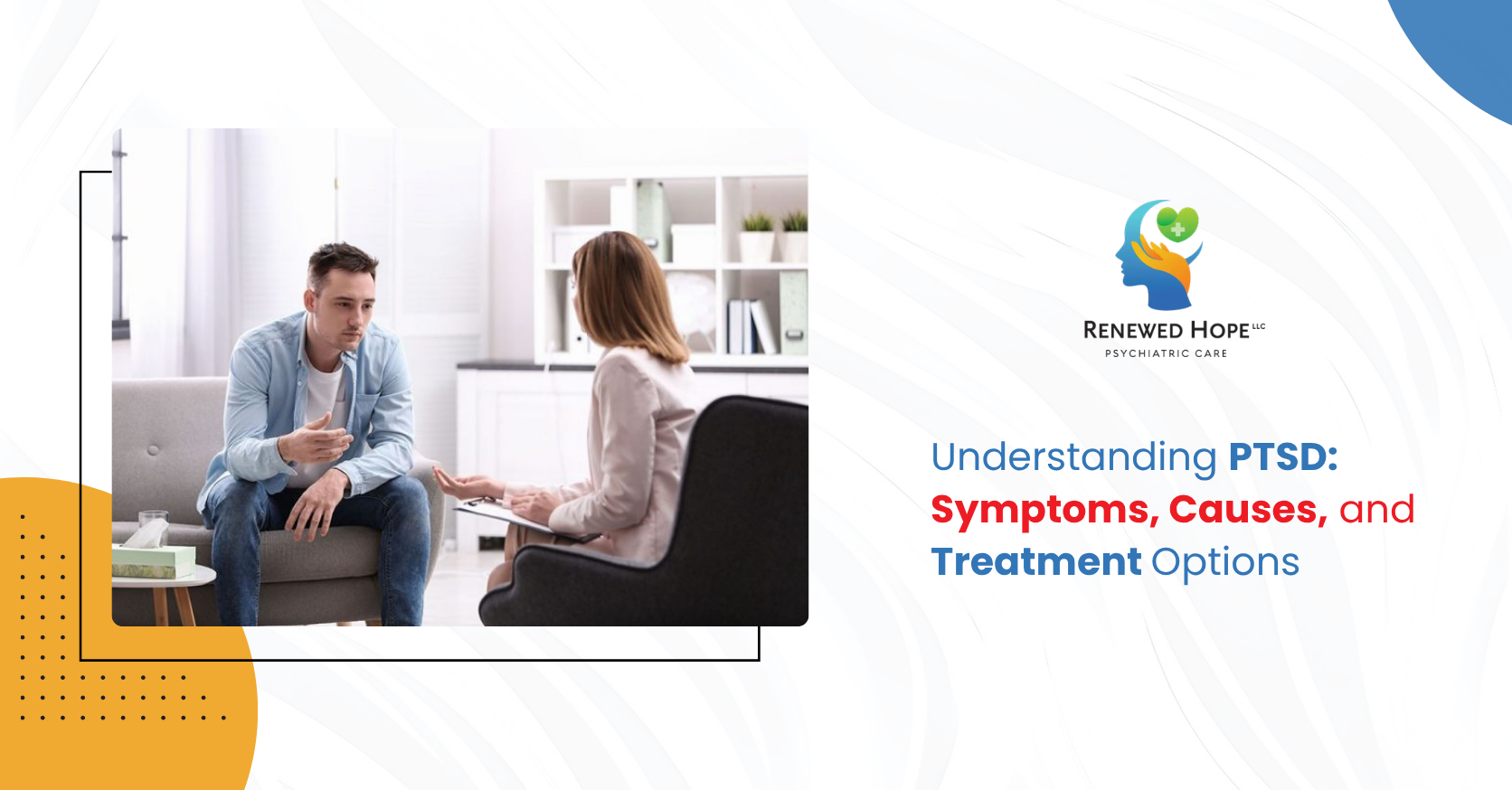
Frequently, encountering a terrifying event profoundly affects your brain. In most cases, the bad feelings subside after a couple of weeks, as your life returns to normal. In some cases, they remain, it becomes a normal Tuesday that is impossible to exist in. This is called Post-Traumatic Stress Disorder or PTSD.
A lot of people confront this difficulty every day, but support is there for them. If you take care, you can get better and regain your peace. We will discuss what PTSD is, why it occurs and how to identify the symptoms. We also discuss the precise treatments you can have so you feel better.
What Is PTSD and How Does It Happen?
PTSD is a mental health condition that occurs after experiencing or witnessing a dangerous event. Your brain protects you by triggering survival mode when danger strikes, causing your heart to race and muscles to tense. This is your body preparing to flee or confront and it’s entirely normal.
Usually, your body calms down once you are totally safe. With PTSD, your brain gets stuck on high alert, leaving you feeling terrified even while sitting safely on your own couch. Having PTSD does not mean you are weak, it just means your brain is struggling to file away a very painful memory.
The Most Common Causes of PTSD
PTSD can be triggered by various events, not only affecting soldiers returning from war but anyone at any time. Trauma is any event that makes you feel like your life is in extreme danger.
Some common causes include:
- Serious car crashes or train accidents.
- Surviving a natural disaster (like a bad flood or a huge tornado).
- Going through a very scary medical emergency at the hospital.
- The sudden or violent loss of someone you love very much.
- Being bullied, hurt, or abused by another person.
- Seeing a stranger or friend get badly hurt.
People can respond differently to the same traumatic event, as one friend may develop PTSD while the other does not.
The Main Symptoms of PTSD
PTSD manifests differently for each individual, with signs typically emerging within a month of the traumatic event. Sometimes, they hide for years before showing up. Doctors look for four main types of signs.
Reliving the Event Again
People often feel like the scary event is happening right now.
- Having very bad nightmares while you are sleeping.
- Getting flashbacks that pull you right back in time.
- Feeling very upset by sights or smells that remind you of the trauma.
- Having a racing heart or sweating when memories pop up in your head.
Avoiding Things That Remind You of the Trauma
Pain is something you instinctively want to avoid. A person with PTSD might try very hard to run from memories.
- Staying away from places or people that spark bad thoughts.
- Refusing to talk about the event with anyone at all.
- Pushing away feelings related to the trauma.
- Keeping busy all day long just to keep the mind quiet.
Negative Changes in Your Thoughts and Mood
Trauma changes how you see the world.
- Feeling very bad about yourself or blaming yourself.
- Losing interest in fun hobbies you used to love.
- Pulling away from your family and your closest friends.
- Finding it super hard to feel happy, safe, or loved.
Feeling on Edge or Jumpy
Your body stays ready for danger all the time.
- Tossing and turning all night long in bed.
- Getting angry very fast over small things.
- Jumping at loud noises – even just a door closing loudly.
- Always scanning the room for hidden threats.
Why Asking for Help Early Is a Good Idea
Waiting is hard and while many hope the bad feelings will vanish on their own, carrying that heavy weight drains energy. Getting help early stops the symptoms from getting much worse. It helps you sleep better, saves your friendships and allows you to feel like yourself again much faster.
The Best Treatment Options for PTSD
The best news? PTSD is highly treatable. You do not have to carry this heavy load forever. A mix of simple treatments works best for most folks.
- Talking Therapy: A therapist gives you a safe room to talk. They teach you how to face your fears slowly. You learn that the old memory cannot hurt you now.
- Expert Medication Management: Sometimes your brain needs a little extra help to calm down. Safe medicines can stop nightmares and lower anxiety. It just turns down the loud noise in your brain.
- Stress Management Techniques: Learning to relax is a big deal. Deep breathing and regular sleep help your body heal. Taking a quiet walk helps too.
How Renewed Hope Psychiatric Care Will Support You
At Renewed Hope Psychiatric Care, we provide a safe, neutral environment for your journey toward genuine healing. Our mission is to help you turn your daily struggles into strength.
We truly listen. Catherine Mepukori, PMHNP-BC and our entire care team bring deep empathy to every single session. We treat the whole person, not just a chart.
Here is how we support you:
- Full psychiatric evaluations to find out exactly what you need.
- Expert medication management for quick relief and long-term wellness.
- Strong stress management tools to build up your daily coping skills.
- Helpful education for you and your entire family.
Care is flexible. You can see us through telehealth anywhere in Missouri and Iowa. Our comforting office in Saint Charles, Missouri, accepts many major insurance plans, including Medicare, Aetna, Cigna, and UBH Optum.
Simple Steps to Take Today for Better Mental Health
Taking the very first step is scary and requires deep courage. If you are ready to take your life back, follow these simple steps today.
- Notice the signs and admit you might need some support.
- Reach out to a trusted mental health clinic near you.
- Make an appointment for a full medical evaluation.
- Follow your unique care plan and practice new skills daily.
At Renewed Hope Psychiatric Care, we are here to help you feel safe. Contact us today. Book an appointment to begin your healing journey now.
FAQs
Q. What is PTSD?
It is a problem that happens after a very scary event. The brain stays on high alert. It makes a person feel unsafe, even at home.
Q. How does Renewed Hope Psychiatric Care help?
The team listens and cares. They help find the right medicine and teach simple ways to relax.